GAMEPLAY PROGRAMMER
CHANDLER MAYS
MY PORTFOLIO
01
PolyQuest
PROGRAMMER - DESIGNER
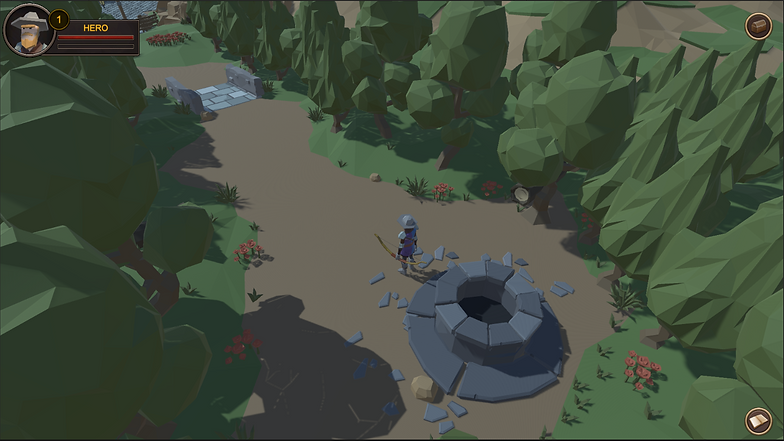
PolyQuest is a prototype of a click-to-move RPG that showcases the fundamental systems for a larger project in development. Built as a gameplay demo, this early version introduces players to a small slice of the world—complete with dialogue, a basic inventory, and a quest system.
In the demo, players explore a quiet town under threat and speak with the Captain of the Guard to uncover their first quest: tracking down and defeating a group of bandits camped just outside the village. Core mechanics like movement, NPC interaction, and combat with enemy AI are all featured to demonstrate the game's potential.
This version of PolyQuest sets the groundwork for a more expansive RPG experience, with plans to evolve the world, deepen the questlines, and introduce more systems like character progression, branching dialogue, and a dynamic world state.
02
Eldwyn Grove
PROGRAMMER - DESIGNER
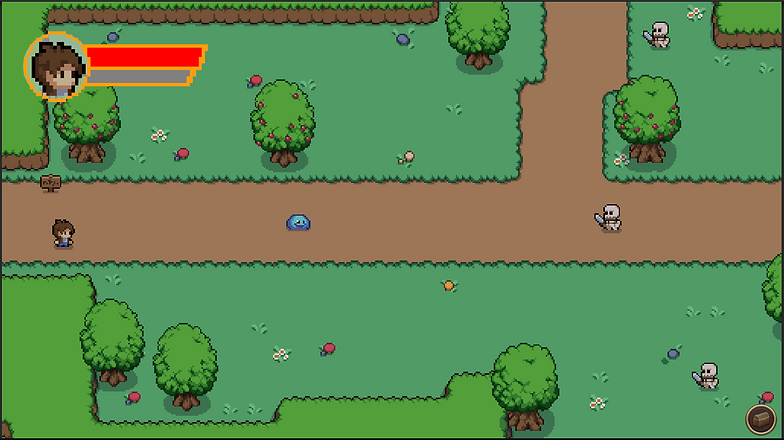
Eldwyn Grove is a fantasy-themed action RPG prototype focused on real-time movement and combat. This demo features WASD controls and responsive swordplay, allowing players to explore a stylized world, cut down roaming skeletons, and slice slimes into smaller forms.
The goal is to eventually expand Eldwyn Grove into a rich, immersive world featuring resource gathering, crafting, and narrative-driven quests.
03
The Legend of Zelda (NES) - Remake
PROGRAMMER - TEAM PROJECT
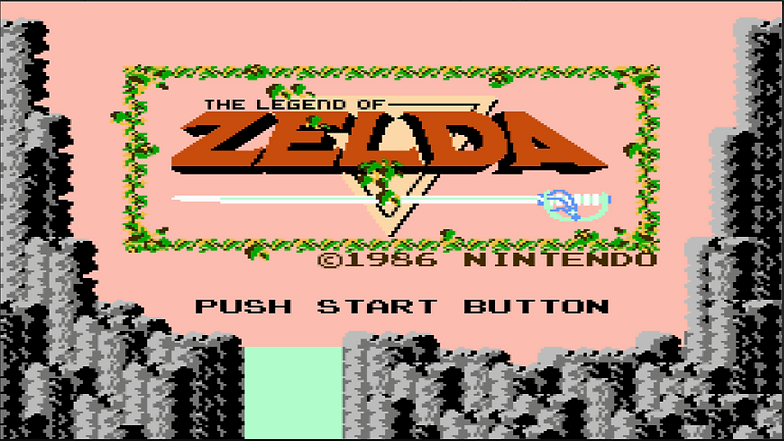
As part of a team assignment for GAP 305 "Programming for Production", we recreated the classic Legend of Zelda (NES) in Unity, focusing on replicating its iconic top-down gameplay, visual style, and mechanics. I worked with two teammates, who handled the UI, menus, and enemy behaviors, while I was solely responsible for implementing all core gameplay systems.
My responsibilities included:
-
Link’s movement and animation control
-
Combat mechanics, including sword attacks and projectile interactions
-
World navigation and camera transitions between map sections
-
Collision detection and environment interaction (e.g., walls, doors, objects)